DILUTION PROTOCOLS
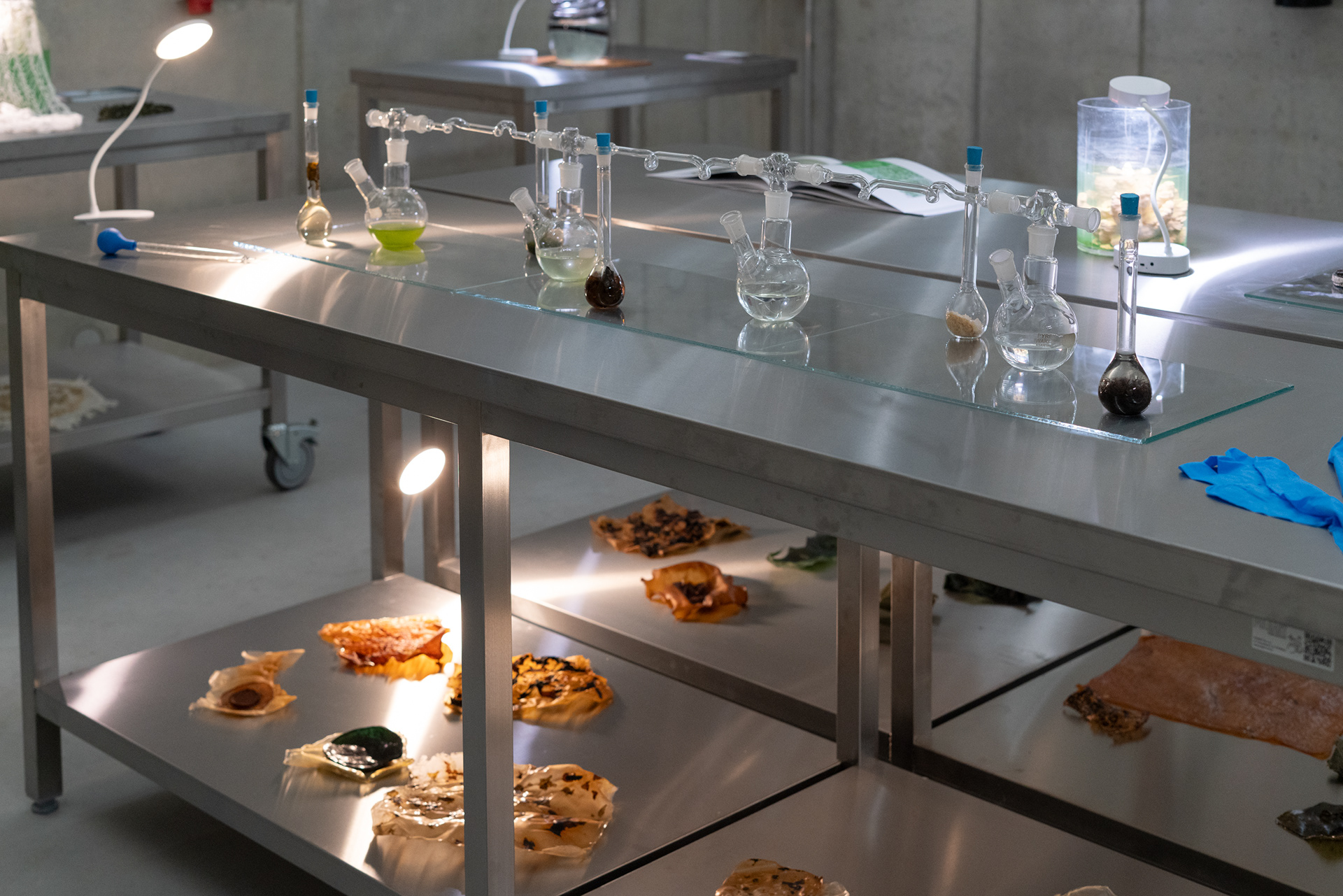
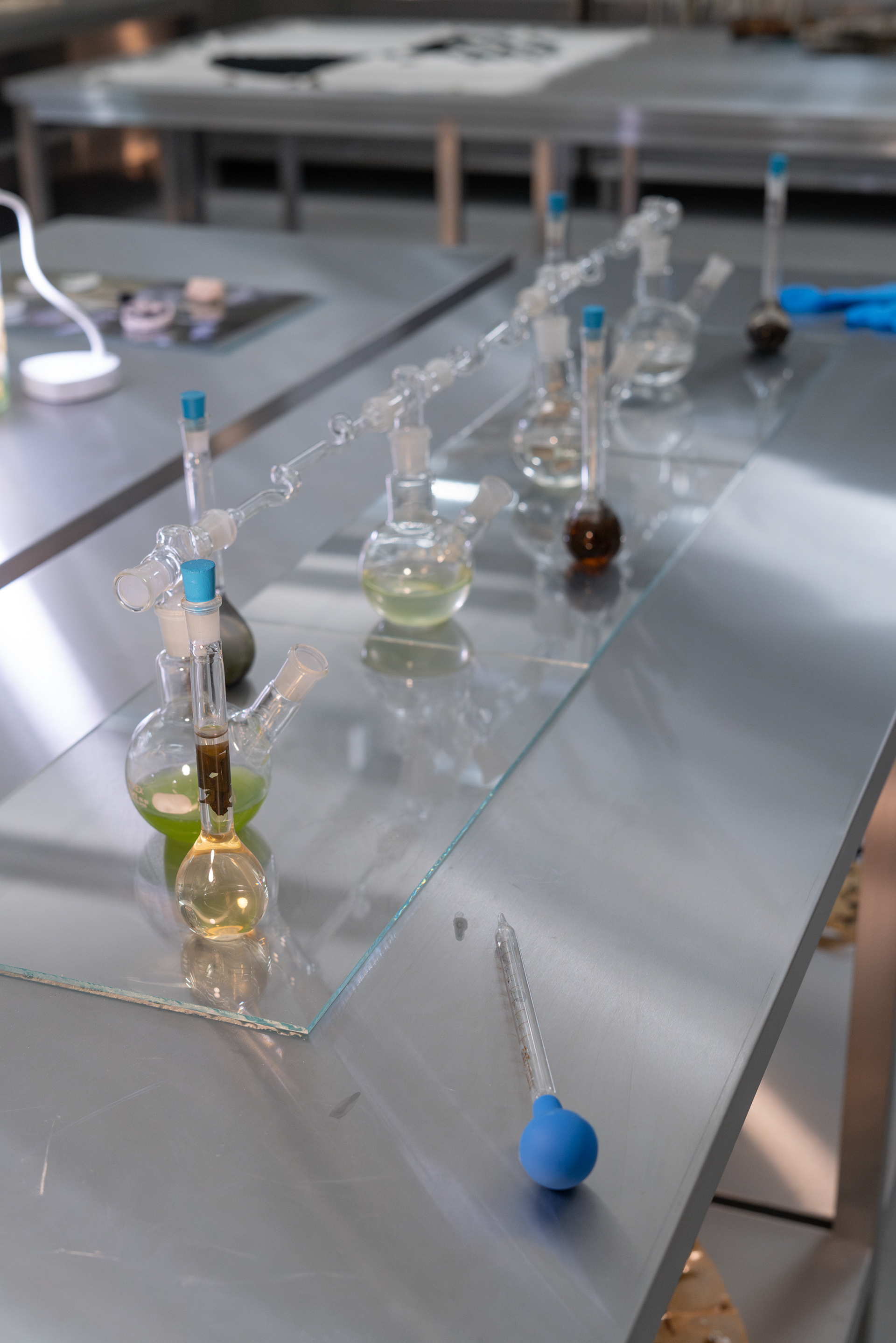
This work centers on the laboratory practice of dilution, in which cultures are repeatedly diluted to isolate a single organism. Three glass containers are connected through nodes. The first holds a dense polyculture, the second a diluted mixture, and the third a further reduction. The sequence visualizes how standard lab procedures separate and simplify microbial communities, gradually stripping away the other species they normally live with.
Dilution not just as a technique, but as an epistemic method that privileges control and legibility over relational complexity. In lab conditions, dilution is used to produce uncontaminated mono-culture organisms for the purpose of measuring and standardizing experiments. In the environment, these organisms do not exist in isolation. They grow in layered, entangled relations, relying on neighboring species for nutrients and resilience. By staging dilution as a laboratory installation, the work foregrounds what is lost when ecological complexity is reduced to
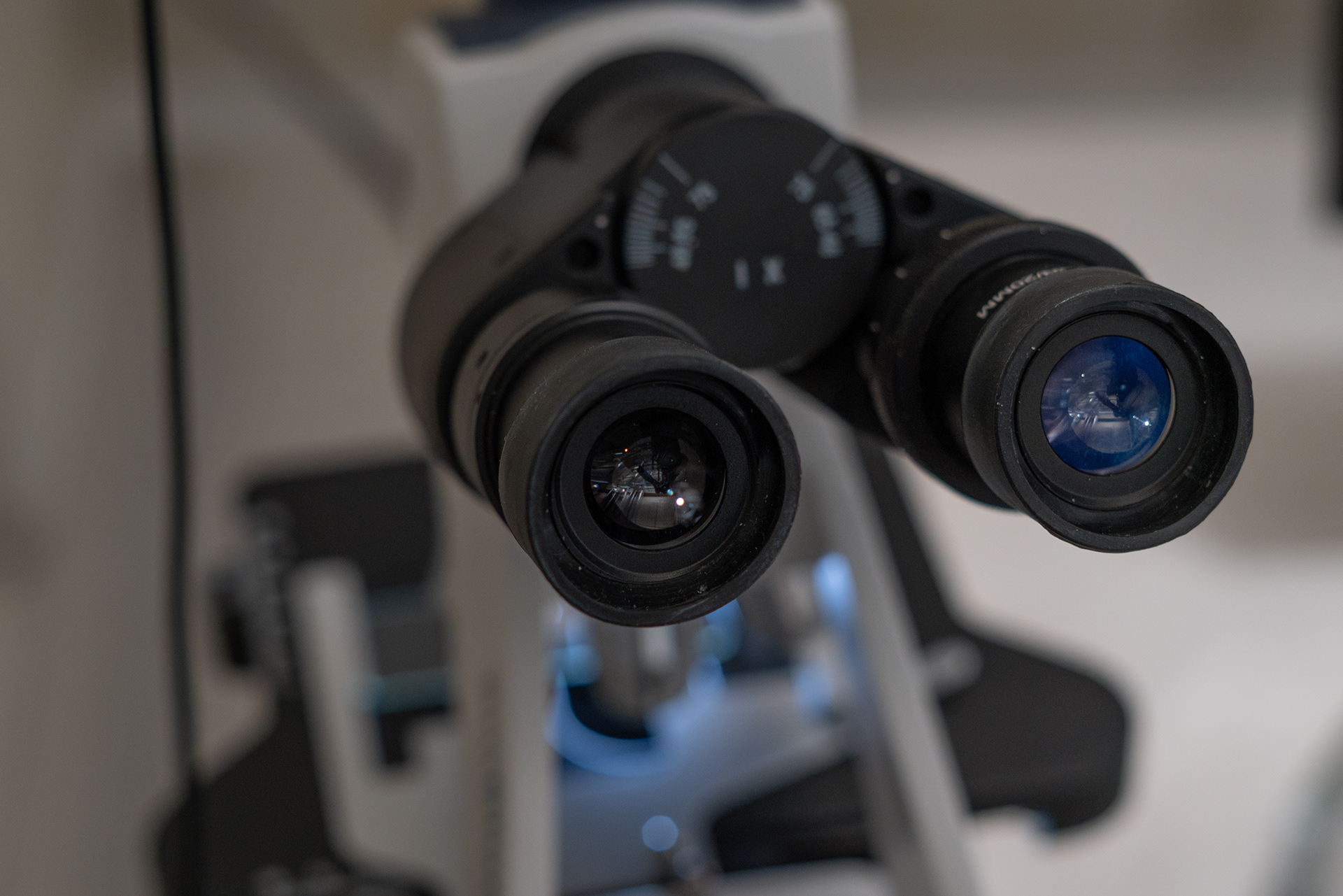
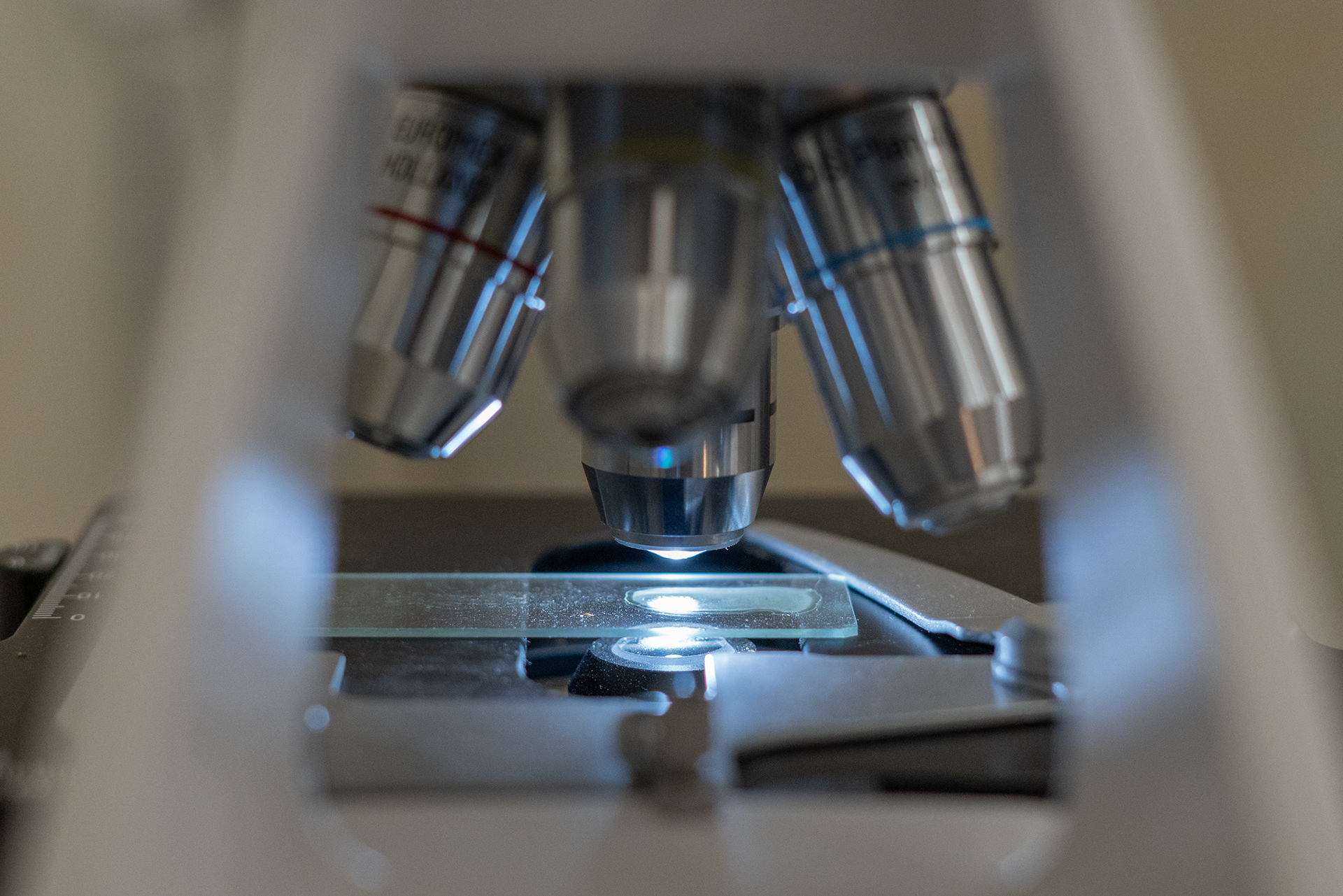
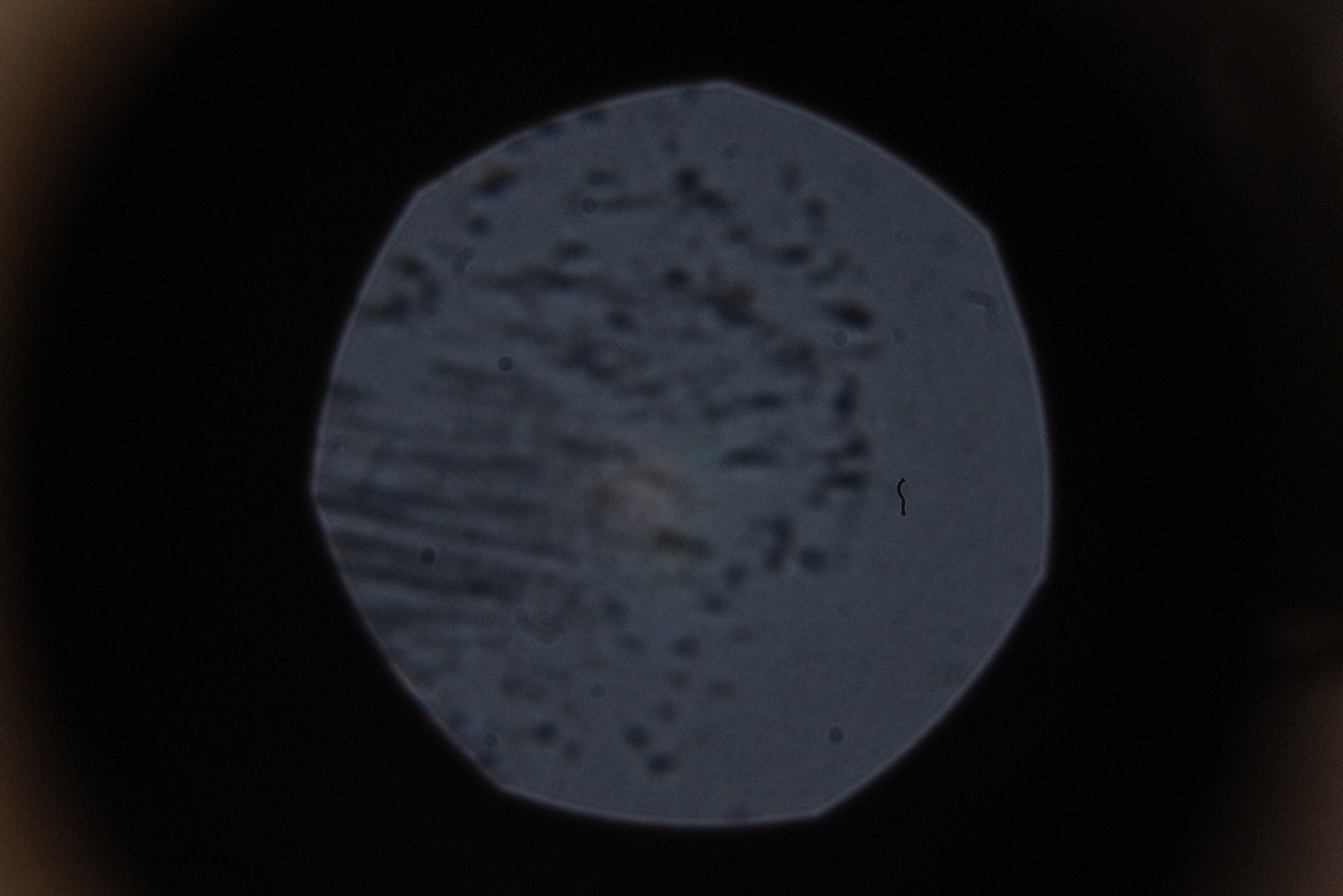
monocultures. The installation also acts as a way for viewers to view the organisms growth dilution through the microscope on sight and participate in the feeding and care activities associated with growing the culture.
Dilution not just as a technique, but as an epistemic method that privileges control and legibility over relational complexity. In lab conditions, dilution is used to produce uncontaminated mono-culture organisms for the purpose of measuring and standardizing experiments. In the environment, these organisms do not exist in isolation. They grow in layered, entangled relations, relying on neighboring species for nutrients and resilience. By staging dilution as a laboratory installation, the work foregrounds what is lost when ecological complexity is reduced to
monocultures. The installation also acts as a way for viewers to view the organisms growth dilution through the microscope on sight and participate in the feeding and care activities associated with growing the culture.